Love Letter to a Country

Dear Canada,

It’s been said that you have too little history and too much geography. It’s a nice quip but the first part just speaks of too many bad history teachers convincing generations of kids that your past is short, boring, and without inspiring heroes and snidely villains. None of it is true, of course, but once a myth takes hold, it’s hard to shake.

The geography bit is interesting and a trifle more accurate because Canada, you are indeed massive. While old, thankfully gone history classes were having us memorize dates and the deeds of dead white guys, geography teachers were bragging that only the Soviet Union was bigger than you. Since, no matter what anyone says, size does indeed matter, it was exciting when Mr. Gorbachev let the ailing Soviet giant fall. The sparkle of elation was followed, however, as often happens, by the snuffed candle of disappointment. Even when shorn of its satellites, Russia remained biggest. But that’s alright. Famously modest Canadians would have been embarrassed to chant “We’re Number One”, so perhaps it’s for the best. But you’re still big.

A fun exercise is to have a friend close her eyes and then place her index fingers on an imaginary map, starting at the western tip of Lake Superior. Then, slowly move east and west to St. John’s and Vancouver Island, and then turn north with both fingers, angling in by the Yukon and Labrador to finally meet at the North Pole. If she squints just the right way, she has just drawn homeland as a home plate. That’s kind of nice.

Like in baseball, home is where we start. And during the frantic efforts of love and loss and jobs and kids and moving and moving again and through the trails and trials and travails of constructing our scrapbooks of madness along the base paths of our own design, home remains the constant, home remains the goal. After all, through it all, through the problems we invent for ourselves or have visited upon us, all we really want is to get home, and to be safe. Plus, its kind of nice that Santa Claus is Canadian.

But your geography is deceiving, because while you’re big, you’re relatively empty. Of course there are people everywhere but the vast majority of Canadians live along a two hundred mile swath hugging the American border. It makes sense. It’s warmer there. Crops grow there. But not every country is organized according to those considerations. This is where geography meets history.

The land has been here forever and aboriginal peoples almost as long, but you are not even 150 years old. That fact, by the way, makes you among the world’s oldest countries; but I digress. In the 1860s, the Americans were butchering each other over whether to enslave each other and also threatening, for a host of reasons, to invade and take the British colonies on their northern border. They’d tried before and were ready to give it another go. The bitty, broke Brits with their dysfunctional governments and a mother country more interested in abandoning than embracing them needed to save themselves by creating themselves.

Your birth had many midwives, but primary among them was John A. Macdonald. He linked his ambition to that of the country he envisioned. The conferences that cobbled you together would have failed without him. Much of the constitution is written in his hand. As the first prime minister, he knew two things for sure. First, the Americans still yearned for more land. Second, if the infant country did not grow, the Americans would soon have it surrounded and suffocated. It was grow or be gone and the only way was north and west. And the only way to do that, was with a railway.
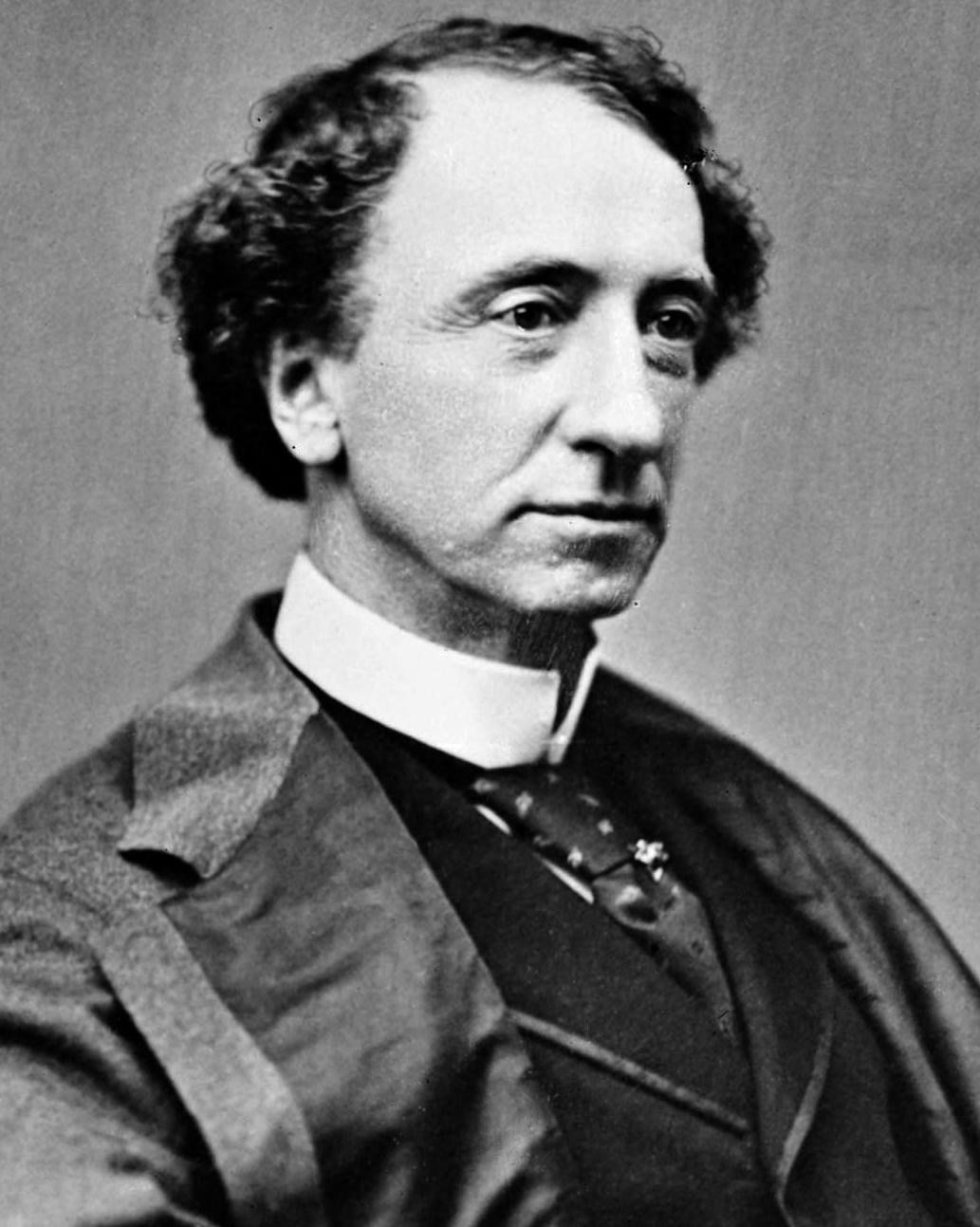
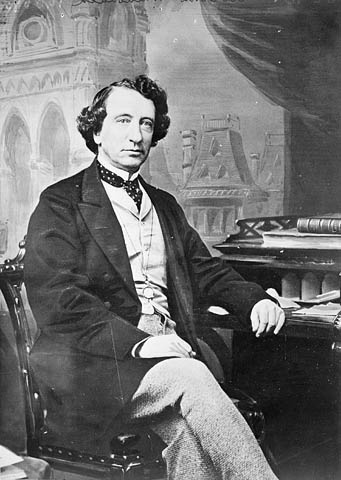
Brady-Handy_John_A_Macdonald_-_cropped

The idea was ludicrous. If completed, and experts lined up to say it could not be done; it would be the longest railway in the world. Not only that, it would be built over the world’s most inhospitable terrain. The rocks and thick forests of the Precambrian shield would be hard, the muskeg that could swallow men and machines whole would be harder, and the snow-peaked Rocky Mountains, well, they were impossible. Macdonald told the people of British Columbia that he would have the steel line to them in ten years and, based on that audacious pledge, they joined Canada rather than the United States which was bigger, richer and just next door. Now, the impossible had to be done.

There is a great deal about Macdonald that deserves admiration. There’s a lot that makes our twenty-first century selves squirm. To build his railway he exploited Chinese workers – the navvies. They were imported to build the line, given the worst and most dangerous jobs and, when finished, Macdonald acted to have them kicked out and the door barred. Native nations were in the way. Macdonald swept the plains by emptying bellies and filling schools in a slow-motioned cultural genocide. He was slapped into the opposition penalty box when caught swapping railway contracts for political donations, but was soon back.

Canadians preferred Macdonald drunk to the sobor alternative and him a little crooked than the less bold a little straighter. Beyond that, the building of the railway and the building of the country had become synonymous. It was both or neither. Without him, it looked like it would never get done.

When the railway was done the country was one. Try the imaginary map again. Start at Lake Superior and draw a straight line west and see if it touches nearly every major prairie city. That’s the line Sir John built. He built it on the backs of the forgotten and dispossessed, but all for the glory of the rest.

Too much Geography? No. you has just enough to hold your bursting potential. Too little History? No again. No one understands where they are unless they know where they’ve been. It is the marriage of geography and history that makes you and makes us. And together, our iron will to continue, to remain whole and strong and on guard for thee remains reflected in the unlikely but ultimately indestructible and now largely metaphorical long steel rail.

Sincerely,

A Friend.
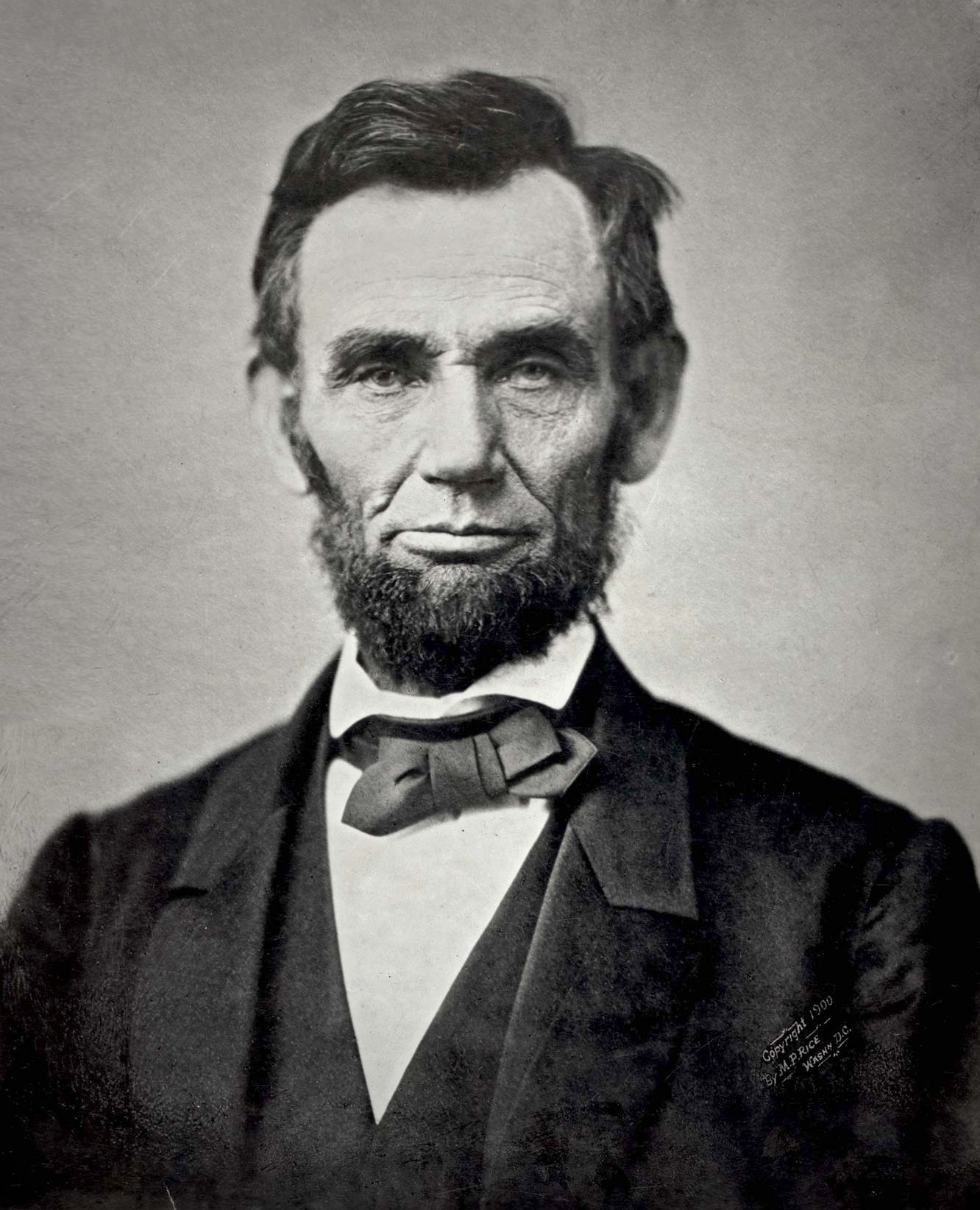
The Little Known Canadian Links to Lincoln’s Assassination

One hundred and fifty years ago this week, on April 15, 1865, famous actor John Wilkes Booth placed a small derringer behind Abraham Lincoln’s left ear. Several hours later, the president who had led the United States through the horrific Civil War that had ended only days before, was dead.

With Lincoln went his goal of treating Southerners not as conquered but countrymen. The Senate’s Radical Republicans ran roughshod over a new and weak president to impose their program of punishment and retribution. To a large degree, America’s regional, political, and racial divisions are echoes of the botched reconstruction that Lincoln would not have allowed. We understand the assassination’s consequences for America but few know of its Canadian connections.

Canada and Lincoln Assassination

(Photo: en.wikipedia.org)

A virulent racist and staunch believer in the Southern cause, Booth gathered a group of like-minded people at Mary Surratt’s Washington boarding house and hatched a plan to kidnap Lincoln. They would release him when the United States, seen by Southerners as a foreign country that had invaded theirs, withdrew its forces. To help organize the plot, Booth travelled to Montreal.

Like many other Canadian cities, Montreal was a hotbed of Confederate activity. A year before, Confederate President Jefferson Davis had appointed Jacob Thompson, a former federal cabinet secretary, to save the South by going north. Thompson established offices in Montreal and Toronto. He organized Confederate deserters, escaped prisoners, and sympathetic Canadians who then harassed Lincoln’s Union with daring raids, Great Lakes piracy, and fifth column intrigues.

Booth arrived in Montreal in October 1864. He took a room at the swanky St. Lawrence Hall hotel that served as Thompson’s headquarters. He met with Confederate spies and gun and blockade-runners. At the Bank of Ontario, he exchanged $300 for gold sterling. Booth worked for 10 days making plans and contacts.

Booth’s failed kidnapping plot and the war’s end led to a new idea. On a single night they would kill Lincoln, Vice President Johnson, Secretary of State Seward, and General Grant. The government would be decapitated and the South inspired to rise again. However, at the appointed hour, Grant had left Washington, Johnson’s assassin got drunk, and Seward survived his stab wounds. Only Booth succeeded.

Booth was hunted down and shot by a 26-man detail led by Quebec-born First Lieutenant Edward Doherty. On May 2, a proclamation stated that the government was seeking a number of Booth’s accomplices, including “rebels and traitors against the United States, harboured in Canada.” Among those listed was John Surratt. He had fled to Canada and was being hidden by priests, first in a Village north of Montreal and then in the city. Canadians helped him to escape to Europe.

Booth’s other conspirators were captured and brought to trial. The prosecution sought to prove their guilt along with the complicity of what it called the Confederacy’s “Canadian Cabinet”. The first words spoken in testimony were by a War Department spy, “I visited Canada in the summer of 1864, and except for the time I have going backward and forward, have remained there for almost two years.” Canada was central to the majority of testimony that followed, including that of a spy posing as a Montreal businessman who later arrived to clear his name. The trial’s final words went to Special Judge Advocate Bingham, “Surely no word further need be spoken to show that…[Booth, Surratt] and Davis and his several agents named in Canada, were in this conspiracy.”

Sensational American newspaper coverage spoke of Canada’s complicity in their president’s murder. Public meetings and vicious letters to editors revealed even greater anti-Canadian sentiment than had developed during the war. There were calls for retribution. The rising tide of hatred led Canadians and Maritimers to renew their demand for Confederation that the Civil War had turned from a good idea to a necessity. Canada had to create itself to save itself.

Today’s divided America and united Canada are the twin legacies of Booth’s smoking gun.

For more on this story and of Canada and the American Civil War please check out “Blood and Daring: How Canada Fought the American Civil War and Forged a Nation”. It’s available everywhere including here: http://www.chapters.indigo.ca/en-ca/home/contributor/author/john-boyko/#page=0&pid=978030736146

Africville: Racism and Redemption

The bulldozers came in the morning. For days they roared like monsters demolishing houses and streets and even the church. They tore down what remained of Canada’s moral authority to say anything about race other than, “We were wrong.”

Africville was created in 1842 with land grants to African American families escaping slavery and discrimination for the hope of better lives. The original sixteen single-acre lots overlooked the Bedford Basin and were separated from Halifax, Nova Scotia by a thick woods and impassable road. The community was called Campbell Road. As Black families left the racism of Halifax and elsewhere seeking solace among friends it was dubbed ‘Africville’. The name stuck.

Links between Halifax and Africville grew over the years as kids were bussed to school and most of their parents worked in the city. Throughout the 1940s and 1950s a number of famous people visited, including retired boxing champion Joe Louis, and Duke Ellington who married an Africville woman named Mildred Dixon. Folks were thrilled with the celebrities but understood that their hospitality was essential because while Louis and Ellington were feted in Halifax during the day they were unable to find lodging in the segregated city at night.

In that way, Halifax was no different than most other cities and towns. The Queen may have been Canada’s head of state but Jim Crow was boss. African Canadians grew used to restaurants where they could not eat, churches in which they could not pray, houses they could not buy, business licenses for which they could not apply, and schools their children could not attend.

Africvillephoto credit: Halifax.com

By the 1950s Halifax had grown to encircle Africville. The city council embarked on a determined campaign to rid itself of the Black community that had become part of their city. Despite the fact that Africville’s people were Halifax citizens and paid municipal taxes, the road to and through the community was unpaved and in the winter it seldom saw a plow. There were no streetlights. There were no sewers. Families drew water from a central well that the city had dug as a “temporary measure” in 1852.

Police seldom patrolled and ignored most calls. In 1947, seven houses were destroyed by fire because, although the fire department had been called, like usual, it had not responded. Insurance companies refused to sell home and property policies, so banks issued neither mortgages or home improvement loans.

Africville churchphoto credit: Halifax.com

Everything distasteful and dirty went to Africville. With no consultation with Africville’s citizens, and in defiance of petitions and presentations, Halifax council located in or adjacent to the community a pungent slaughterhouse, oil refinery, and tar factory, a deafeningly loud stone crushing plant, and a hospital for infectious diseases. A railway company was allowed to build a line through the community and landowners were only partially compensated for expropriated land. The city dump was relocated 350 yards from west end Africville homes and then a smoke-belching incinerator was constructed nearby.

The disgraceful treatment of the community and the racism faced by those working in Halifax took its toll. Africville got tough. The “Mainline” portion of town was home to middle-class people who worked hard and did their best. The “Big Town” area, however, knew every crime and vice imaginable. The only white people who saw Africville came to Big Town for dirty old times after Halifax bars closed.

University of Toronto’s Gordon Stephenson wrote a report that echoed 1950s urban renewal practices. He recommended relocating Africville’s people and razing their homes. A 1962 Halifax Development Department report stated that the majority of Africville’s people did not want to leave; they just wanted the services that other Halifax citizens – White Halifax citizens – had enjoyed for decades. The report concluded, however, that the people should be ignored and the professor obeyed.

Concerned Africville citizens met at the heart of their community, the Seaview Church. Over a hundred people vowed to save their homes. Peter Edwards made an impassioned plea to city council on October 24, 1962. He spoke of Africville’s history and spirit. He spoke of the racist policies and treatment endured over the years and in the current process. “If they were a majority group,” he said, “you would have heard their impressions first.”

City council responded by hiring University of Toronto’s Albert Rose to study the situation. No one was fooled. Rose had written Regent Park: A Study for Slum Clearance. They knew what he would say. In no time at all he said it. Africville was doomed.

Residents received an average of $500 for their homes. It was later discovered that additional assistance had been available but only 30% of the people were told about it and then only 15% of applicants were approved. People who had been self-sufficient homeowners were forced into a subsidized housing project and then forced to move again when told that even before they had been crammed into the ramshackle apartments, the complex had been scheduled for demolition.

By 1969, Africville was gone. The city had said it needed the land for industrial expansion but it never happened. It said it needed the land to construct a bridge but ended up using a sliver of the property.

In 1985, a monument was erected to the people of Africville in what had become the Seaview Memorial Park. The names of the original families were engraved into a stone. Family reunions began finding their way home with grandchildren being told the old stories. A former resident recalls, “Out home, we didn’t have a lot of money but we had each other. After the relocation, we didn’t have a lot of money – but we didn’t have each other.”

Africville lives. It lives as a symbol of the more than three hundred years of systemic racism that African Canadians endured and against which they struggled. In 2010, the Halifax City Council apologized to the people of Africville for all they did to, and all they did not do for the community. It apologized for Africville’s destruction.

A hectare of land was set aside and money allocated to rebuild the Seaview United Baptist Church. It will serve as a historical interpretive centre in a park renamed Africville. There, stories will be told of a time when racism coursed through Canadian veins and of a hope that someday, racism will be relegated to the dustbin of history. Someday.

If you enjoyed this column, please share it with others, consider commenting or following my blog, or even buying my book entitled Last Steps to Freedom: The Evolution of Canadian Racism, that addresses the history of racism in Canada. (Find it at Amazon or here at Chapters online: http://www.chapters.indigo.ca/en-ca/home/contributor/author/john-boyko/

Time to Change the Faces on Our Money

It’s been loud lately. The tragic popping of gunfire from criminal minds in Paris and Alberta and from Canadian troops in Iraq, along with the sucking sound of the latest oil boom going bust have been loud indeed. Lost in the din have been two related arguments that deserve some attention.

The first began with Sir John A. Macdonald’s 200th birthday. Many commemorated our first prime minister as a visionary. Others castigated him as a racist. The second was stirred by a letter from NDP MPs Niki Ashton and Murray Rankin to Bank of Canada Governor Stephen Poloz in support of an effort begun a year ago by Victoria’s Merna Forster to have more women, such as the Famous Five, on our money.

The arguments are related because they go to the heart of our nationhood. Those we choose to celebrate in books or bronze, or on whatever that sticky polymer stuff passing as paper money is, say a great deal about the character traits and achievements we believe represent the best of us.

So perhaps we should remove Sir John from our money. But then, William Lyon Mackenzie King is on our 50, yet in the Second World War he interned Japanese-Canadians who had committed no crimes. Sir Robert Borden is on our 100, yet he approved his party’s virulently anti-Asian British Columbia campaign under the slogan “White Power.” Should they be removed from our money too?

Oscar Peterson banknote

Queen Elizabeth is the only woman currently on our currency. But does our sovereign’s visage remind us of our sovereignty’s limits? Does she represent a political system based on the hereditary passage of power that contradicts current Canadian values and has passed its best-before date? Accordingly, should she be removed from our money?

And what of the Famous Five? Their fame began when Edmonton’s Emily Murphy was appointed Canada’s first female police magistrate. Shortly afterward, an uppity male lawyer said she was unqualified because the constitution listed “Persons” who could be judges with the implication that they were male. Murphy and her Alberta friends took the case all the way to Britain’s Judicial Committee of the Privy Council where, in 1929, it was determined that women were Persons. It was an enormous step for women and toward citizenship and equality for all.

However, Emily Murphy was also a novelist who wrote under the pseudonym Janey Canuck. In The Black Candle, published in 1922, she wrote of non-White immigrants running the Canadian drug trade to intentionally defile White women and destroy the White race. The only option, she argued, was to purify Canada by ridding it of all people of colour. Should the writer of such reprehensible ideas be on Parliament hill, or on the Edmonton mural, or on our money? What would Sir John or those currently attacking him say?

The Ashton and Rankin letter states, “Our banknotes are an important opportunity to celebrate the diversity of our country and the innumerable contributions to its history made by people of all genders, ages, religions and ethnicities.” Perhaps agreeing with that very Canadian thought leads to a desire to replace all of the political figures now on our money with those who better animate our collective soul: our artists.

Susanna Moodie banknote

Louis Riel once said, “My people will sleep for one hundred years, but when they awake, it will be the artists who give them their spirit back.” He was right. Painters, poets, authors, songwriters, and sculptors and more speak to our intellects and emotions while inviting us to think deeper about that which truly matters. Let us celebrate those who help us celebrate our spirit.

The Bank of Canada regularly considers recommendations for changes to our currency and advises the minister of finance who signs off on new designs. Let the conversation begin. Mr. Poloz, for our 10, 20, 50 and 100 I recommend Oscar Peterson, Susanna Moodie, Norval Morrisseau, and Alice Munro.

This column originally appeared in the Ottawa Citizen on February 2, 2015. The Citizen created the images. If you enjoyed it, please share it with others through your favourite social media.

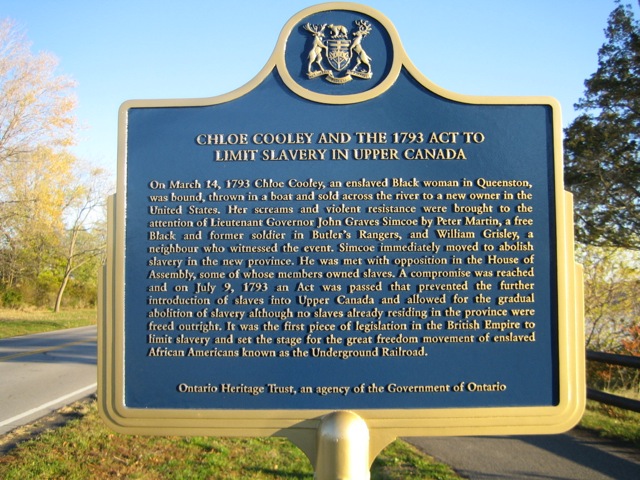
Canadian Slavery

It’s time for Canadians to grow up. Whether living in a big city or a one-Tim’s town, too many Canadians seem to share a warped vision of our past that allows us to press our noses against the shop window that is the United States and tsk, tsk away with smug condescension. Forget it. Let’s take one of many points that could wipe the smirks from our faces – slavery.

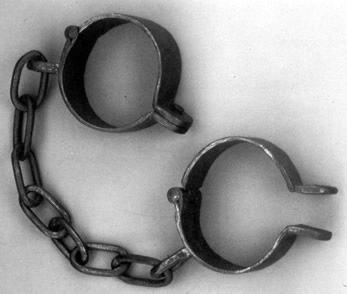
chains

photo from http://www.bccns.com

Slavery is as old as humanity itself. Slaves built the pyramids. The ancient Greeks, who gave birth to our western civilization, owned slaves. The idea of enslaving Africans is credited to a Catholic priest who accompanied Columbus on his second voyage to the New World. The priest was sickened by Columbus’ ongoing slaughter of Haitians who had been enslaved to search for gold. He believed that Africans would be better able to do the job.

The first Africans arrived in the West Indies on Portuguese ships in 1518. They had been ripped from their homes and stripped of their families, religion, names, and humanity. Fifteen million followed. The Portuguese word for black is negro.

European notions of inhumanity soon found their way to what would become Canada. The first slaves were Native people. Explorer Jacques Cartier even kidnapped Iroquois chief Donnaconna and several of his people and toured them through France like a circus act. Most died of European diseases and none saw their homes or families again.

The first African slave to be settled in Canada was a six-year-old from Madagascar. He arrived in 1628 as a cabin boy on a pirate ship captained by the ruthless English rogue David Kirke. Kirke captured Quebec City in a violent raid, and then sold it back to France four years later with the boy part of the bargain. He was purchased by a French clerk and then a Jesuit priest who renamed him Olivier Le Jeune.

Despite the fact that slavery had been abolished in France, Quebec governor Jean Talon pressured King Louis XIV to continue the practice of slavery in Quebec. Slaves were purchased in Africa, the West Indies, and the United States, and were owned by nearly all of the business and political elite as well as the leaders of the colony’s Jesuit, Franciscan, and Dominican Orders.

The Seven Years War – French Indian War if you are American – led to the fall of Quebec to Britain in 1759. The articles of capitulation guaranteed the continuation of slavery in the colony. With the world war finally over and Britain stuck with Quebec – it had unsuccessfully tried to swap it for Guadeloupe but that’s another story – the newly appointed British governor James Murray sent a message to New York asking for more slaves to become fieldworkers and domestic servants.

Slavery was also common in the Maritime colonies. They were used to build Halifax in 1749. The growing city became a centre for the Maritime slave trade, with public auctions turning tidy profits. The only known opposition to slavery came from Halifax’s small Quaker community, but it was ignored.

The American Revolution brought thousands of Loyalists northward. The British government offered them and war veterans land, assistance, and permission to bring their slaves. About 10% the Loyalists fleeing to Nova Scotia were slaves or free Blacks. Slaves also moved with their owners to what would become Quebec, New Brunswick, and Ontario.

The powerful Mohawk leader Thayendanegea (Joseph Brant) had fought for the British. He was rewarded with 30 African slaves. He brought them when settling his people on a huge land grant along Ontario’s Grand River. Slaves helped build the settlement that is now Brantford and then a handsome home near what is now Joseph Brant Hospital in Burlington. Other slaves constructed many of the fine stone buildings that still stand in Belleville, Kingston, Montreal, and elsewhere.

The War of 1812 saw the United States, as it had during the Revolution attempt to take British North America. Towns were burnt and civilians murdered in what became a brutal war. To disrupt American invasion plans, Upper Canadian Attorney General John Beverley Robinson declared that any slave arriving from the United States to Canada would be freed. An all-Black regiment was formed and Black soldiers joined a number of other British regiments. About 50 Black soldiers served at the decisive battle at Queenston Heights. About 2,000 escaped slaves fought their way to Canada during and in the years following the war.

The British government banned slavery in 1833. Nearly all British North American slaves had already been freed. However, racist laws and segregation practices remained. Segregated churches, schools, restaurants and public services were commonplace in Canada until the 1960s. Segregation laws died in Canada at about the same time as in the American South with racist attitudes, of course, more difficult to kill.

Image_Niagara74

Canadians deserve to feel proud of their history that, despite the despicable way in which too many of us learned it teems with fascinating stories and colourful characters. However, in looking at how the United States and other countries are still dealing with race and being shocked when a disturbingly racist event occurs in our backyard, it would serve us well to remember that while we have come a long way, there’s a long road before us. On our journey toward becoming the type of people we like to think we have always been, we would be well served to recall that our hands are not clean.

If you enjoyed this, please share it with others. You might also be interested in my book Last Steps to Freedom: The Evolution of Canadian Racism – find it at Amazon or Chapters or at http://www.johnboyko.com

The Ancient Understanding of Water

Dear Canada,

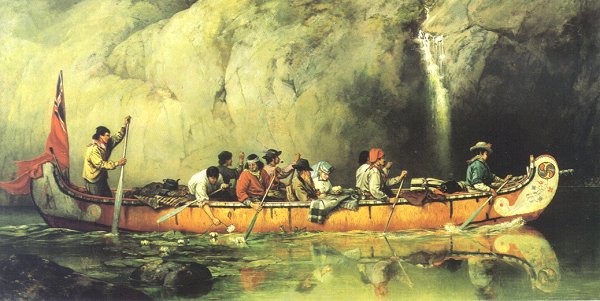
The intrepid explorers who left Quebec’s relative comfort for God and gold did not scar the land. They didn’t bang and clang along in wagons breaking trees and cutting tracks. No, they slipped through in canoes, in silence, leaving not a trace of their passing.

Voyageur_canoe

It’s perhaps this collective memory, this ancient understanding down deep in our souls that urges us to water. We are born of water. Many of us are baptized with water. Water is our playground where we seek sanctuary and salvation in splashing and skiing and paddling and floating. Blessed is the contentment of long, gentle afternoons in hypnotic contemplation of sparkling waves. We bob at dusk in little tin boats with smelly worms and silly hats and silently wish that a splashing bass will not spoil the tranquility. We work fifty weeks to afford a clean and tidy house and then leave it for two to paddle a canoe and haul it over treacherous rocks and roots, and all to live from a sack, sleep on rocks, and eat food we’d send back in the dingiest diner. And we love it all, because we’re on water.

The Atlantic was your welcome mat and the St. Lawrence your doorway. It invited us in. It was your superhighway to your inland seas – the mighty Great Lakes. Settlements grew to towns and then cities along their shores. Without the lakes there would be no Kingston, Toronto, Hamilton, Thunder Bay, and the rest.

The lakes are a line. We’re here and the Americans are over there. They always coveted more and once they crossed the lakes to get it. As blood-soaked armies showed neither mercy nor shame, battleship artillery boomed. It drowned out the cries of the poor drowning men. We burned their capital. They returned the favour and burned ours, but we beat them in the end; we beat them 18 to 12. We then agreed to ban the guns on the lakes and try, one more time, to live a hard and bitter peace.

Another war’s end, a couple of wars later, offered its own kind of boom – prosperity and babies. The navy sold out at garage sale prices and shipping companies soon had plenty to ship in their ships. Supply could not meet demand to fill new houses in new neighbourhoods with new stuff. Europe was still bleeding and Canadian wheat, iron, and wood steamed through the lakes to help with the healing.

The big freighters lumbered like slow-moving monsters. They chugged from plants and mills and lake to great lake and on up the St. Lawrence to the sea. Their choking smoke, like the belching factory stacks, were a sign of good times. The depression and war were over and we yearned for order. There was an old man on parliament hill and a young Elvis on TV, well, from the waist up anyway, and the smoke stacks meant there were jobs for everyone. For most of us, it was a Leave it to Beaver world and folks along the lakes were lulled in their beds each night by the freighters’ mournful horns echoing over still and foggy water.

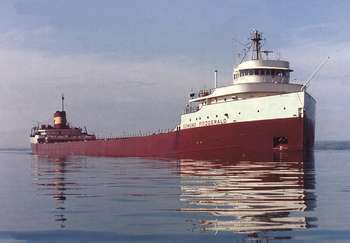
Edmund Fitzgerald

Edmund Fitzgerald

But just like life was not so serene everywhere, the ships were romantic only to those elsewhere. Life was tough and the men tougher. Ships were too often floating sweatshops. Company men and the politicians they bought winked and nodded as captains ignored the imaginary border drawn somewhere on the waves and rival union goons broke skulls and laws.

There were moments of calm amid the chaos. Peaceful nights on watch with no shore in sight allowed a man to imagine himself at sea. The lake’s gentle roll offered time to recall what drew him to that life in the first place. Then, sudden gales could whip up mountainous waves and transform freighters big as towns to bathtub toys. Everyone knew their jobs but when the running lights and radio went out as another wave crashed over the deck there was nothing to do but pray. Like in a battlefield foxhole, there are no atheists aboard freighters locked in the cold embrace of a Superior storm.

The Great Lakes’ beds are rusting, ramshackle naval museums and holy unmarked graves. Canada, your lakes and the rivers both mighty and small are the blood in your veins. Their waves are the rhythm of your soul.

Sincerely,

A Friend.

This is one of a collection entitled Love Letters to a Nation, inspired by the songs of Gordon Lightfoot. If you liked it, please share it through social media and see some of the others at johnboyko.com

The Wreck Of The Edmund Fitzgerald               © Gordon Lightfoot

The legend lives on from the Chippewa on down
Of the big lake they call Gitche Gumee
The lake, it is said, never gives up her dead
When the skies of November turn gloomy
With a load of iron ore twenty-six thousand tons more
Than the Edmund Fitzgerald weighed empty
That good ship and true was a bone to be chewed
When the gales of November came early
The ship was the pride of the American side
Coming back from some mill in Wisconsin
As the big freighters go, it was bigger than most
With a crew and good captain well seasoned
Concluding some terms with a couple of steel firms
When they left fully loaded for Cleveland
Then later that night when the ship’s bell rang
Could it be the north wind they’d been feelin’?

The wind in the wires made a tattle-tale sound
When the wave broke over the railing
And every man knew, as the captain did too
‘Twas the witch of November come stealin’
The dawn came late and the breakfast had to wait
When the gales of November came slashin’
When afternoon came it was freezing rain
In the face of a hurricane west wind
When suppertime came, the old cook came on deck
Sayin’ “Fellas, it’s too rough to feed ya”
At seven PM a main hatchway caved in
He said, “Fellas, it’s been good to know ya”
The captain wired in he had water comin’ in
And the good ship and crew was in peril
And later that night when his lights went out of sight
Came the wreck of the Edmund Fitzgerald

Does anyone know where the love of God goes
When the waves turn the minutes to hours?
The searchers all say they’d have made Whitefish Bay
If they’d put fifteen more miles behind her
They might have split up or they might have capsized
They may have broke deep and took water
And all that remains is the faces and the names
Of the wives and the sons and the daughters

Lake Huron rolls, Superior sings
In the rooms of her ice-water mansion
Old Michigan steams like a young man’s dreams
The islands and bays are for sportsmen
And farther below, Lake Ontario
Takes in what Lake Erie can send her
And the iron boats go as the mariners all know
With the gales of November remembered

In a musty old hall in Detroit they prayed
In the Maritime Sailors’ Cathedral
The church bell chimed ’til it rang twenty-nine times
For each man on the Edmund Fitzgerald
The legend lives on from the Chippewa on down
Of the big lake they call Gitche Gumee
Superior, they said, never gives up her dead
When the gales of November come early

Eight Ways To Look At Sir John A. Macdonald

January 11th was Sir John A. Macdonald’s 200th birthday. As Canada’s first prime minister and key founding father, he deserves to be remembered. Across the country there were cakes, candles, songs, and speeches. Many Canadians will enjoy celebrations of one sort or another all year. Others, however, will not celebrate but castigate. The attacks have begun and some have been viscous.

The spirited debates remind us of history’s importance and of its terrific habit of never shutting up. History is not a warm bath of nostalgia but a mean teacher that forces us to think of things we have not before and, even more importantly, consider things we thought we knew for sure. The conflicted commemoration of our first prime minister is as it should be for there are at least eight ways to see Sir John.

Brady-Handy_John_A_Macdonald_-_cropped

Creator: In the 1860s, Americans were butchering each other over whether to enslave each other and threatening an invasion of the British colonies on their northern border. The bitty Brits with their dysfunctional governments and a mother country more interested in abandoning than embracing them, needed to save themselves by creating themselves. Canada’s birth had many midwives, but the conferences and subsequent debates that brought it into the world would have failed without Sir John’s charm and political acumen. The Constitution creating the state to house the nation was written largely in his hand.

Saviour: With the Civil War’s end, the United States demanded astronomical reparations from Britain for its role in prolonging the conflict. The Americans offered to trade the cash for Canada. As part of the British delegation in Washington, to negotiate what was called the Alabama claims, Macdonald deftly controlled the agenda. He refused to be bribed by the Brits or bullied by the Americans. He left with generous concessions and the swap swept from the table.

Visionary: Macdonald knew Canada must grow or be gone and the only way was west on rails. Without the railway, British Columbia could join the United States and the United States could, as its Manifest Destiny decreed, take the prairies. The railway idea was ludicrous. It would be the world’s longest railway through the world’s most inhospitable land. The rocks and impenetrable forests of the Precambrian shield would be hard, the muskeg that could swallow men and machines would be harder, and the snow-peaked Rockies would be impossible. Macdonald told British Columbians they’d have the steel line to the Pacific in ten years and the money flowed and hammers rang. His will and conniving saw the impossible done and Canada linked from sea to sea.

Centralist: Macdonald put power in parliament. He saw the prime minister as the servant of the House and provinces like municipalities. Parliament could overturn provincial laws deemed to contradict the national interest and he disallowed many. He interpreted parliament’s purchase of what is now most of the west as its ownership of the land and resources. When premiers met to complain, he refused to attend.

Charlatan: He was not above political trickery to get or keep power. Globe editor and Reform Party leader George Brown learned the hard way when Macdonald tricked him into office and then two days later tricked him right back out again. He used patronage jobs to openly and unapologetically reward friends and punish enemies. He was once scandalized out of power when caught linking political donations to railway contracts.

Rogue: No one knew more stories and jokes than Sir John. No one remembered more names or slapped more backs. He never met a voter with whom he disagreed or an opponent he did not try to woo. He once entered his occupation in a hotel ledger as “cabinet maker”. A hard drinker, he once threw up during a campaign speech but then won the election. He told another audience that Canadians preferred him drunk to George Brown sober – he was right. He was a scoundrel but he was their scoundrel.

Racist: He imported Chinese workers for the worst and most dangerous railway construction jobs. With the task done, Macdonald acted to have them kicked out and the door barred. He did not want Canadians to become what he called a “mongrel race”. Native nations were in the way. Macdonald swept the plains by emptying bellies and filling schools in a slow-motioned cultural genocide.

Founding Father: To our American friends, consider this: Sir John was like your Thomas Jefferson in that he provided the philosophical foundation upon which the country was based; he was like your James Madison as he was primary among those who wrote the constitution; he was like your George Washington in that he was Canada’s first chief executive and fully cognizant that everything he said or did set a precedent that would affect the behaviour of every prime minister that followed – so Sir John was your Jefferson, Madison, and Washington rolled into one man.

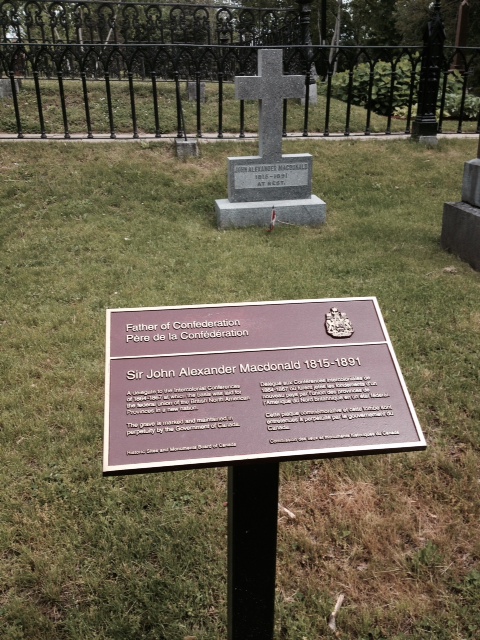
Sir John's Grave

Sir John’s humble grave site

Sir Christopher Wren, the man who designed St Paul’s Cathedral, one of the most spectacularly graceful and awe-inspiring buildings on the planet, once said that if you wished to see his monument you should look around. Canada is not as perfect as St. Paul’s but no country is. However, while flawed, it is safer, richer, and more democratic than most. Its long and fascinating history bursts with sources of pride and shame as well as progress and redemption. So as the key figure in creating, building, and saving the country, it is fitting and proper that we commemorate Sir John. Without him there would be no Canada. Perhaps we honour him best by acknowledging that he was as complex a man as is the country he left in our care. Perhaps we understand him as we understand Wren, by looking around.

 An edited version of this column appeared as part of Globe and Mail debates in which I was asked to be one of four historians to consider whether Sir John was a “Visionary or Hateful Embarrassment”. You can see what the others wrote and vote for who you think should win at http://www.theglobeandmail.com/globe-debate/sir-john/article22362438/

Five Lessons from the First Day on the Job

The first day on the job is always hard. It offers equal scoops of excitement and fear. Two first day experiences helped shape the five lessons that I learned and now humbly share.

first day on the job

I was hired to teach History at what was then called a vocational school. It was designed for teenagers who had learning disabilities, had recently arrived in Canada from schools that left them woefully unprepared, and others who were waiting to go to jail or just out, and more who were too bored, angry, or damaged to fit in elsewhere.

On the day before classes began, I was told that I would not be teaching History but Grades 10 and 12 Mathematics. I protested that I had not studied Math in university and was awful at it in high school. I was told I’d be fine. My classroom contained two big stacks of text books; one blue, one yellow. The yellow one had stuff that looked harder so I made it the grade 12 book. I noticed that all my class lists had around 30 kids each but the room only had 26 desks. I was told not to worry, they would never all show up.

On my first day I was told to fuck off twice. The second time was in a marvelous Jamaican accent so it was actually, fuck off, mon. No matter what I did or said in one class, they just ignored me. Bob Hope and Jimmy Carter, I swear, were in another class. I had them sit together, it only seemed right. After lunch another teacher and I broke up a hallway fight. The boy I pulled off another spun and tried to kick me between the pockets – I jumped, he ran.

That evening I told my wife that I had made a terrible mistake in accepting the job and moving us to this city where we knew not a soul. We discussed options. But the next morning, I affixed another of my brand new ties, and went back into the lion’s den.

Several years and three schools later I walked into my first day at one of Canada’s premier independent boarding schools. It’s a school for kids of the upper middle class and rich who can buy their children’s peers and an education and environment that all schools, if properly funded, led, and staffed, could and should provide.

We gathered for the first morning chapel, held in the theatre because the chapel was under reconstruction. I was stopped by the athletic director and told I was the senior soccer coach. I confessed that I had never coached soccer. In fact, I had never played soccer. “Don’t worry”, I heard him say, as if it was a sixteen-year old echo, “You’ll be fine.” The first practice was that afternoon.

The school’s new academic building was also under construction and so I was among several teachers in rented, old and smelly portables. Wex and Alasdair were the first students to arrive for the first period class. They both shook my hand and welcomed me. Wow, I thought, they’re adults. Because each boy weighed well over 200 pounds, they laughed at the tiny desks. They wedged, wiggled and stuffed themselves between the chair and the tiny affixed table. As if on cue, they hopped – all four desk legs left the floor. Wow, I thought, they’re children.

The rest of the students arrived, saw the two hopping about and, of course, joined in. I soon had us lined up for a race. That did it. We were one. The chemistry was among the best of the hundreds of classes I have taught in my career.

That afternoon I was given a mesh bag of soccer balls and met my team. We began practice with a run. I stretched it out as long possible while deciding what I could possibly do next to kill the hour. I put them through a number of hockey drills until it was mercifully over. That evening I took notes as my daughter taught me how many players are on the field, the names of the positions, and the basics of the game. The next practices were marginally better. There were six teams in our league and that season we came second – second in every game we played.

Top Five First Day Lessons I Learned:

  1. It Gets Better: The most underpaid worker is the one struggling through their first day, or week, or month. Things will never get easy but they get easier. I learned to note the good moments and accept the bad as rude instruction.
  2. Character Matters: A good boss hires not a resume but a person. That person’s most important asset is character. I learned to have faith. You will pick up what you need to know soon enough but until then your character is your guide.
  3. Laughter Matters: It is important to always take the job seriously but never yourself. I learned that even the most titanic of stressful, embarrassing situations quickly shrivel to funny little stories.
  4. Client Service: Concentrate on the clients; in my case the students. Overwhelm them with your dedication to their needs. I learned that it is only by impressing clients that anyone ever impresses the boss.
  5. Don’t Water the Rocks: Every workplace has folks eager to sink a sabre into a colleague’s back for some perceived advantage. Ignore them. They trade their souls for ephemeral victories and realize too late that real grown-ups left school yard intrigues long ago and that, in the end, there’s no one keeping score. I learned to waste no time on sycophants or saboteurs.

It all sounds easy. The toughest things always do. I wish I understood the lessons on my first day back at the vocational school. It was my toughest day. I’m glad I had learned them by my first day at the independent school. It was among my best days. While I still dedicate myself and whatever talents I possess to doing the best I can, I have never let my job, title, or employer define me. Work is not life. Work is what I do to have a life. That alone makes any first day, or any day after that for that matter, what it should be, just another day at work.

“If you liked this column, please share it with others. Please consider following my blog where I post every Monday morning at johnboyko.com”

Sherlock and Murdoch and Me

Why do we do what we do? Many people struggle with the answer but I know. I think I’m a detective and I think what I do matters. Take a second and name a detective from literature or television. It’s easy because we know a lot of them. They entertain, inform, and leave us with a warm assurance that, in their hands at least, the good guys always win.

murdoch and sherlock

Every detective begins already knowing what happened. The detective’s job is to find out why it happened, who was involved, name the guilty, and exonerate the innocent. While many others may have already combed the scene, his job is to see it differently. The detective gathers clues that others may have missed or dismissed. The detective reads and then reads some more to become expert on whatever and whoever the case involves. The detective sifts evidence through the sieve of his reading and experience. He then writes up his conclusions which are based on his use the past to explain the present and will hopefully help people to avoid similar bad stuff and people in the future. But he’s not done. The court brings together other experts; some perhaps embarrassed by having missed what the detective found and eager to punch holes in his conclusions. Members of the public arrive who are fascinated with the event and eager to learn more. The detective’s work and conclusion are put to the test and the media weighs in with its opinion. Meanwhile, the detective has already moved on. The detective will happily discuss the case now holding the public and court’s interest but his mind is already on the next case.

Now here is the challenge. Please go back and re-read the last paragraph but substitute the word historian for detective. Don’t cheat – do it. Go ahead, I’ll wait for you ………………………………………………………………………………………………..done?  Interesting isn’t it? That’s what I do.

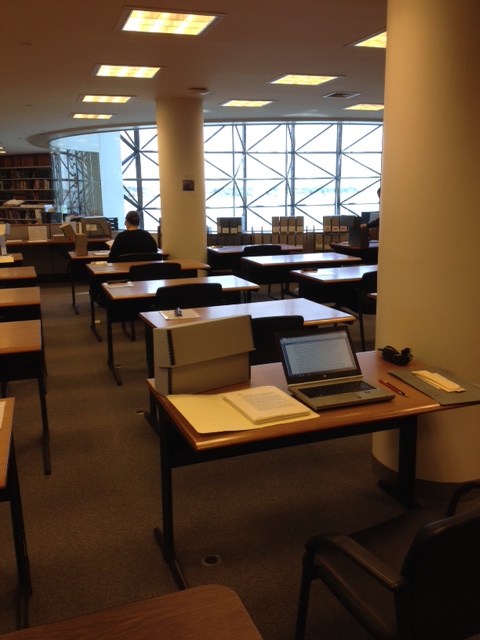
I am working on a case right now. Everyone knows what happened but I arrived on the scene about a year ago. I have read everything I can find about the people and events of the era that I am investigating. I always know I’m done that stage when the books and articles start overlapping and repeating themselves. It’s then time to do the real work, the archival work; to stop going wide and go deep. Last month I did research at the archives in Ottawa. I then moved on to the John F. Kennedy Library and Museum in Boston.

If a museum is a country’s front parlour then an archives is its attic. Its job is to hold and protect every document, book, record, and piece of music, foot of film, picture, painting, and photograph that tells our stories about ourselves. Like museums, libraries, monuments, and architecture, an archive represents, reflects, and explains us. Archives are a historian’s playground and workplace. Without archives historians are unable to solve cases, unable to write history.

So what, you may say. Well, history is never settled because the story is never completely told. History is the stories and myths that hold us together as a people. Without at least a cursory knowledge of history we are like Forrest Gump’s feather floating without purpose, understanding, or intention. Without history we are like amnesiacs; constantly surprised and confused and vulnerable to the next politician or pundit arguing without context and hoping you won’t ask the next question. But the historian is there, like the nosy detective who pokes around and sees things that may have been missed and urges a new look at things considered settled.

Journalism is history in a hurry and TV punditry is history on crack. Real history is a wise detective asking new questions and offering a new perspective. History is not nostalgia, that warm-bath sensation of gazing longingly back on misty memories of times gone by. No, history is a cold shower. It is not a balm but a challenge. It insists that we not be like those who after the tragedy of 9-11 asked like dewy-eyed school girls why they hate us. It will not allow us to grow angry at Native people’s anger. History is neither a weapon to attack another’s ideas or shield to protect one’s own. It is a spy glass, a detective’s spy glass, there to examine people, events, and ideas to determine the past to explain the present.

A good history book is a grand detective story. It is a mystery solved that you didn’t even think was a mystery in the first place. So I guess, sitting there alone, so far from home and opening another archival file I was Sherlock or maybe Murdoch. But I felt more like Columbo. I was a little dishevelled and ragged around the edges but doing my best to ask the right questions so that the story I will tell will be worth the telling.

If you enjoyed this column, please consider sharing it with others and following my blog where I post something new every Monday

John F. Kennedy and My Mother’s Tears

I recall the first time I saw my mother cry. You need to understand that my mom was a tough woman, as tough as burnished leather, at least on the outside, the side she allowed most folks to see. But on this day she was sobbing. It was the afternoon of November 22, 1963. I was a middle-class Canadian kid in a brush cut just rolled home from the rigours of grade one but now standing in my living room, still and stunned at the sight of my mother, slumped into the couch, red-eyed and weeping before the flickering television.

She explained that a man had died, a good man, and that he had been shot by a crazy man. I remember that I cried too. It was not for him – I had no idea who the good man was – but for her, for her grief, and for my addled efforts to understand. Today, for the same three reasons, I cried again.

You see, the little boy grew up to be an author and this week I’m doing research at Boston’s John F. Kennedy Library and Museum. Boston is a terrific city. On my first morning I jumped the red line to Pawk Street, that’s right, that’s what the man said. Within 200 steps of the subway stop I glommed on to a walking tour of the Freedom Trail led by a gentleman in period costume who was among the best guides I have ever experienced. It was marvelous; there were great sites and greater stories. I then watched a legalize marijuana rally in the Commons and laughed out loud when at the count of three the thousand or so folks splayed on blankets on the grass lit up their grass. I told a yellow T-shirted volunteer about Justin Trudeau’s pledge up in Canada but she didn’t care.

The dawn brought work. The Kennedy Library’s enormous, white, flat tower soars like a sail into the sky and overlooks the bay that reminds visitors of Kennedy’s love of the sea. The commissionaire found my name on the list, led me to an elevator in the back and with the turn his special key I was lifted to the fourth floor archives. For the rest of the day and the next two I time travelled to the 1960s. Tapping away on my laptop I recorded notes from box after box and file after file.

Kennedy library archives

My spot on the 4th floor.

On the afternoon of the third day I declared a break to finally see the museum. I stood with a group of women enchanted by home movie clips showing the Kennedys at play in Hyannisport. Kennedy smiled as he swung a golf club, sailed, swam, and at one point drove a gaggle of laughing, bare-chested, sun-tanned children far too fast on a bouncing golf cart. They were pictures of a family and life about which only the stone-hearted could not feel warmth. It was then on to politics. Films and artifacts depicted the nomination and then the election. No wonder people watching the debate thought he wiped the floor with Nixon. No kidding, did people really wear those goofy buttons and hats?

It was all good. I wandered with the gentle acceptance that like most museums its analysis was skimming as a stone over very deep ponds with its focus on entertainment more than education. But then I arrived at the gallery dedicated to the inauguration. The large screen with seating before it invited you to suspend belief and imagine you were there. About fifteen people were doing just that. There was a clutch of teenage boys with their big caps and big feet, three or four couples about my age, and a young man and woman whose eyes and hands betrayed either a honeymoon trip or one in the offing. I stood at the side not expecting to stay for the whole thing but I became entranced. There was Kennedy, tanned on that freezing January afternoon so long ago and speaking in that Boston twang. And here were these people, generations later sitting silent, eyes wide, many mouths agape, drinking in the idealism of his message as if cool water in a steaming desert oasis. I listened to him but watched them.

Kennedy inauguration

It was then it happened; a tear found my eye. I smiled and my lip quivered. I let it hang there and then run down my cheek, closed my eyes, and nodded. My mother has been gone for years now and I had not felt so close to her in a long while. The tear was not mine – it was hers. After all this time I think I finally understood that November afternoon.

The day Kennedy was murdered tore time. For millions of people the irreparable rending forever split the before and after. The violence in Dallas was visited not just upon the man but also on the very idea that everything was possible and all problems solvable. As I watched the people watching him and smudged my cheek I realized that in the final analysis, Kennedy’s gift was not his programs and polices but himself. His contribution, and the one that brought my mother to him then and the people to his museum now, was the courageous determination that idealism is not naive, hope is not silly, that acting collectively is not surrendering liberty, and that community can extend beyond one’s family, or city, or even country.

Of course Kennedy was a flawed man. The museum is silent about his hiding crippling health issues and the cocktail of drugs with which he was injected each day to carry on. It did not mention the women. He was a flawed leader. The museum ignored his ballooning the deficit to build a mammoth military and glanced over his being late in joining the march to civil rights and his having started the march to Vietnam. But that’s okay. There is no such thing as a perfect man or leader.

Now I’m back in my hotel scrunching notes into prose. When this book is published I hope that readers will understand Kennedy’s time a little better and consider the effects that his policies and personality had on Canada. What they will not know is our secret; that in the book’s writing I came to an understanding far more profound. In a city far from home, and for just a moment, I was once again my mother’s little boy.

Roman Was a Russian

Roman was Russian or maybe Ukrainian. The folks of his town went from one to the other with each shift of the restless border. From the bitter cold of the 1905 winter came a worker’s revolt. Tsar Nicholas reacted first with concessions but soldiers were soon attacking trouble-makers, including those with books deemed dangerous. Roman’s uncle imperiled his family for reading, among other things, the poetry of Ukrainian nationalist Taras Shevchenko whose words inspired the oppressed to feel power and the shamed to know pride.

With rumours of soldiers on the way Roman’s parents told him to run. The eighteen-year-old hitched rides and jumped trains until finding the coast. He snuck aboard the first lackadaisically secured ship he could find and hid beneath a lifeboat’s thick tarp. After two days at sea he emerged dirty and hungry and agreed to work for his fare.

 A long and roiling journey took him to Rio de Janeiro. For nearly two years he hacked roads to resources through the Amazonian rain forest. One steaming afternoon a workmate rhapsodized of a place with more high-paying jobs than people – Canada.

Roman bought a ticket for the first northbound ship but was tricked. Declared a stowaway, he was forced into back-breaking labour as the hulking cargo vessel steamed around the world. After nearly a year of depredation he gazed longingly at the Statue of Liberty.  Excited for his first leave in months, he and two friends signed for their meagre pay but then were grabbed, lashed, and thrown onto their bunks; they’d been duped into re-upping for another year.

Just before dawn a sympathetic crewmate cut the ropes and helped them sneak to the deck where they leapt into the cold, dark water. Three unkempt young sailors shuffled through the Battery’s morning mist. A gentleman with an expensive suit and friendly smile said they looked lost. In his best but broken English Roman explained that they were on their way to Canada. The man laughed and said they must be the luckiest boys alive because he worked at the Canadian consulate. The sorry little gang were given train tickets to Montreal.

Montreal was a French city run by the English, and all on the backs of those speaking a hundred tongues. Roman found a job in a large and dirty iron works and happiness in the city’s thriving Ukrainian community. After a particularly trying shift he was told that steel factories offered safer work and better pay and that an American had just started a new steel company in Ontario. Within days he was on a train to Ontario.

Hamilton was a tough, hard-hat town. Factories hugged Burlington Bay, shady bosses held sway in the multi-ethnic east side, and everyone called the towering Niagara escarpment that watched over it all the mountain.  The place brimmed with the power and potential of the industrial age. Roman was among the first employees at Hamilton’s Dominion Steel and Casting Company that became Dofasco.  Roman was a molder. He created castings into which molten metal was poured to make machines, the bank vault now part of the Hockey Hall of Fame, and even the Hoover Dam’s turbines. He built weapons for the First World War and in the Second his three daughters were among the women who traded dresses for overalls to defeat Hitler. 

Upon retirement, Roman purchased a farm near Port Dover. He grew corn and every year turned 11 acres of grapes into sweet wine. His grandson worked the farm each summer. He walked his great-grandson among what to the little boy were towering corn stalks and he tried but failed to reassure him that chickens were not terrifying.

Today, above my piano, is a painting of my great-grand father’s Port Dover farm. It is more ideal than real; perhaps like elements of his adventurous escape. But that’s okay. Societies need myths that define and inspire and so do families. Like the tenacious Ukraine, my family is a little dysfunctional at the edges but rock-solid at its core. In the New Year, we’ll welcome a baby. The child will embody an audacious confidence in tomorrow, 1905’s legacy, and Roman’s latest gift.

Meanwhile, Russia is back fighting for imaginary lines and Shevchenko’s poems are again on Ukrainian lips.  As we watch egos and power and money at war let’s pause to consider the people in those border towns who wake up each day and do their best. I know, as do thousands of others living in Canada today that their struggle will echo for generations and in ways we can’t imagine.

The Slave Who Helped Create Two Countries and Wreck a Third

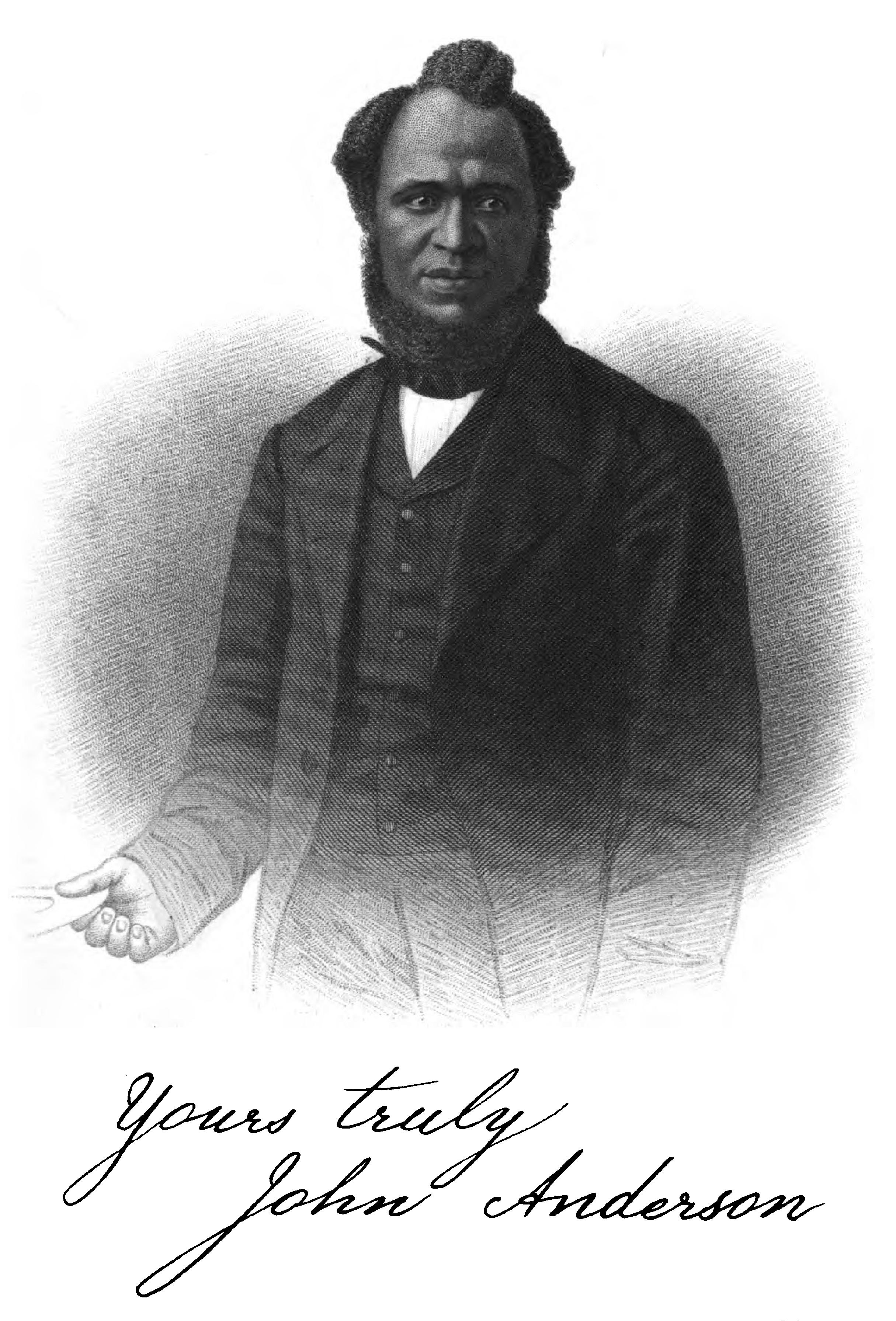
John Anderson was born property. At 29 he was a prisoner. He was seated in Toronto’s Osgood Hall while outside on the chilly morning of December 15, 1860 stood fifty armed police officers. A company of the Royal Canadian Rifles stood with muskets ready and bayonets menacingly attached. All were prepared for the demonstration promised and the riot expected should the court decision go as the crowd of two hundred or so Anderson supporters feared. Stretchers were piled against a wall, ready to haul away the injured and killed.

His adventure had begun seven years before. He had run when life as a Missouri slave had become too much. It was too much to watch his mother being beaten and then sold. It was too much to lose his name. It was too much to be kept from living with his wife and child. It was too much to be denied opportunity; to be denied his very humanity. And so he ran. In running he had committed a crime for he robbed his owner by stealing himself.

On the third day of his flight, Anderson accidently stumbled upon a White farmer named Seneca Digges and four of his slaves. They gave chase and for thirty minutes ran through woods and fields until Anderson encountered Digges. Digges raised either a cane or a tree branch and they fell together. Anderson’s knife plunged three times into Digges’ chest and back.

Dirty, exhausted and starving, Anderson slowly snuck his way north. When he encountered a White man who offered a meal and bed for the night Anderson boarded the Underground Railroad. A few weeks later he was over the Detroit River and in Windsor, Canada West. With the help of a thriving Black community he learned to read and do sums and within a few years he had learned masonry, begun his own business and purchased a house.

Anderson confided to a friend that he had stabbed a man while fleeing. He was betrayed and arrested. A judge informed Missouri officials that Anderson was in a Brantford jail. Soon, officials from the Missouri governor to the American Secretary of State were writing to Canadian and British leaders demanding his extradition.

Anderson had moved from slave to symbol. Southerners had grown enraged with the Canadian Black communities and the abolitionists that enabled them. For generations they had insisted that slaves were unable and unwilling to work, read, or succeed on their own. And yet, up in Canada, ex-slaves were illuminating the lie that was the foundation of their economic, political and social ethos. The Underground Railroad, Northern abolitionists, and Canada had in this way become part of the Southern impetus to insist on State Rights and contemplate a divorce from the American state.

If Anderson could be extradited then the Canadian Black communities and the Underground Railroad itself could be destroyed with slave catchers able to grab prey in Canadian cities as easily and legally as if they were Boston or New York. A New Orleans attorney wrote, “We are going to have Anderson by hook or by crook; we will have him by fair means or foul; the South is determined to have that man.”

John Anderson

At that time, Canadians were debating their future as a British colony, a new country, or perhaps an American state. Meanwhile, a growing number of influential British leaders were advocating cutting ties with the increasingly expensive and bothersome Canada. The Anderson case led other Brits to argue that there was a moral issue at stake that trumped political concerns. They advocated intervening in the case even if it kept Canada colonial and threatened war with the United States.

The court decided that Anderson must be returned to Missouri but there was an appeal. American Secretary of State Lewis Cass wrote a letter insisting that Anderson be immediately sent south. British Prime Minister Palmerston demanded that Anderson be dispatched to Britain. Canada’s Attorney General summoned the temerity to say no to both. His name was John A. Macdonald, soon afterwards, an independent Canada’s first prime minister. He quietly covered all Anderson’s legal bills.

Sir John A Macdonald

John A. Macdonald

Finally, after weeks of legal wrangling and insults across the ocean, over the Canadian border and back and forth across the Mason-Dixon Line, the time had come for a final decision. British, American and Canadian reporters were huddled in the imposing courtroom as police and soldiers outside nervously held their weapons. Three justices argued that the Missouri writ had charged Anderson with killing and that there was no such crime – the only charge available was murder. On a technicality, Anderson was free to go.

Anderson rose unsteadily to his feet and beamed a huge smile. In a quiet voice he whispered, “Thank you, gentlemen—thank you, your lordships.” The gavel fell and there was a roar of shouting and applause from those in the courtroom and from the crowd shivering outside in the snow.

Canadian reaction was ecstatic for it was a three-way victory. Anderson was free. Canada had told the United States to forget its designs its Black citizens and to respect its borders. It told Britain to mind its own business. Macdonald pushed and in March 1862 the British government passed the Habeas Corpus Act rendering it illegal for Britain to issue writs in Canada. A major step toward Canadian nationhood had been taken.

Canadian and American abolitionists quickly had Anderson delivering speeches to educate and raise funds. By June, he was in England delivering more speeches. His largest audience was at Exeter Hall, where the newly formed John Anderson Society welcomed six thousand to see him.

Meanwhile, Fort Sumter had been pummelled and Bull Run bullets had screamed. By 1862, the American Civil War was grinding into its second year. Anderson was no longer needed to make a point or further a cause. Without consulting him, British abolitionists arranged for him to be given land in and passage to Liberia.

On December 22, 1862, Anderson delivered his last speech. As always, he ended with the mournful hope that he might again see his family. The next day he was aboard a steamer bound for Cape Palmas. There are no records of him in Liberia, nor of his wife Maria or their child in Missouri. They became as lost to history as they were to each other. However, John Anderson’s legacy lives on in the America that was torn in two and Confederacy and Canada he had inadvertently, with his primal desire to be free, helped to create.

To discover more about John Anderson and Canada’s role in the American Civil War please check out Blood and Daring: How Canada Fought the American Civil War and Forged a Nation, available online and, if you can still find one, book stores everywhere. http://www.amazon.ca/Blood-Daring-Canada-Fought-American/dp/0307361446


A Man You Need to Know More Than Ever Before: Mistahimaskwa

On June 26, 2014 Canada changed. The Supreme Court rendered a decision that remade the relationship between Native nations and the Canadian state by dictating that Native land and related concerns must be respected even if absent a treaty. We need to begin adjusting to the new reality and perhaps a good place to start is bringing Native heroes to the centre of Canada’s story. The effort must afford them respect as individuals with agency and not simply victims or foils or important only as they hindered or helped the country’s development. Let’s begin with someone we should all know – Big Bear, whose real name was Mistahimaskwa.

He was born around 1825 near what is now Port Carlton, Saskatchewan. Home was a predominately Cree community that included a number of Ojibwa people. His father was Black Powder, his people’s respected Chief. Young Mistahimaskwa internalized the freedom of the plains, moving south with his community every summer to hunt buffalo and back to winter along the North Saskatchewan River. By the early 1870s he was Chief of the 500 or so people living well according to ancient ways. But things were changing.

God, gold or the gumption to start life anew brought the Hudson’s Bay Company, the police and then more and more White settlers. The aftermath of the 1869-1870 Manitoba uprising introduced a Metis community. More people meant fewer buffalo and less freedom of movement. Metis buffalo hunter Gabriel Dumont began practices that affected traditional migration routes and there was a clash but Mistahimaskwa and Dumont met and arranged a compromise.

Prime Minister Sir John A. Macdonald was Canada’s indispensable man but with respect to Native nations his tactics and goals reflected the racism of his time. He wanted the semi-nomadic plains nations immobilized and farming or gone. In 1874, he sent a Hudson’s Bay commissioner to bring them to treaty. Some nations accepted the proffered blankets, tobacco and trinkets but Mistahimaskwa said no. He explained that he meant no disrespect but he would not be bought and would not sign.

A Methodist Minister arrived the next year promising more gifts including that of God’s blessing. Mistahimaskwa again declined saying, “When we set a fox-trap we scatter pieces of meat all round, but when the fox gets into the trap we knock him on the head; we want no bait; let your chiefs come like men and talk to us.” The Minister reported that while several Native leaders were friendly and had signed, Big Bear was a trouble maker.

A year later, Macdonald sent another delegation, this time led by Lieutenant Governor Alexander Morris. Morris convened a large conference at Fort Carlton and with Treaty No. 6 offered reserves, money, and farm implements. A number of Chiefs signed. Mistahimaskwa arrived just as the conference was wrapping up. He carefully considered all that was on offer but again rejected it. In an impassioned speech he equated trading the 120,000 square miles of prairie for reserves to slipping a rope around the necks of his people. He had become the leader of the defiant Chiefs and a thorn in Macdonald’s side.

With buffalo herds continuing to shrink Mistahimaskwa and others invented new ways to trap and hunt. In the fall of 1878 he was asked to help Chief Minahikosis who had found White surveyors on land that had been ceded to his people near present-day Medicine Hat, Alberta. Mistahimaskwa met with the surveyors and police and had the work stopped. The incident afforded him even more prestige and power.

By the winter of 1878–79 the buffalo were all but gone. For the first time in their long histories, many Native communities suffered starvation. Mistahimaskwa convened a remarkable gathering of Chiefs and other leaders from the Blackfoot, Bloods, Sioux, Saulteaux, Sarcees, Stoney, Assiniboine, Metis and Cree Nations. Dumont was there as was Sitting Bull. Nations who had based their cultures on the buffalo and the freedom of the plains understood that everything they treasured was disappearing. He encouraged them to learn new ways, to share what they had, and to avoid fighting one another while keeping peace with the growing White communities.

Another spring saw more Native Chiefs taking treaty to secure food for their hungry children. Mistahimaskwa led his people and any who wished to follow to Montana where it was rumoured that the buffalo still roamed. The plan failed as the American herds were gone too. Mistahimaskwa returned and tried several ways to renew prosperity but by the winter of 1882 the 250 people that remained in his community were reduced to eating gophers. On December 8, Mistahimaskwa travelled to Fort Walsh and traded his signature on Treaty No. 6 for food.

The next summer, his people moved north to their assigned reservation near Fort Pitt. The land was terrible. He toured other reserves and found similar conditions. He repeatedly contacted Ottawa’s officials with demands that treaty obligations be observed and asked that his people and all others that wanted it be awarded new land that was more like they needed and had been promised. His requests were answered by his people’s rations being cut and then ended.

Mistahimaskwa organized another large meeting of Chiefs. In the spring of 1884 he led around 500 men and women from his community and rode to Poundmaker’s reserve near Battleford, Saskatchewan. The gathering began with songs, drums and, in honour of Mistahimaskwa, a special Thirst Dance. About 2000 people from several nations negotiated things they could do together to improve the lot of them all.

Image

 Mistahimaskwa

While negotiations proceeded, a young Cree man left to purchase food and beat up a White government official who refused him. News of the incident spread quickly and soon about 90 police stood glaring at a line of 400 armed Native men. With guns cocked, the two lines strode toward each other when suddenly Mistahimaskwa and Poundmaker galloped between them yelling, “Peace! Peace!” Both sides retreated and the two Chiefs negotiated a supply of food to placate their angry young men. A massacre and perhaps a war had been averted.

Mistahimaskwa met with Metis leader Louis Riel but refused to support or join his planned resistance. His rejection of Riel and constant talk of peace alienated a number of angry young men in his community who wanted quick action and quicker results. Near the end of March they heard of Metis fighters having won a victory against Canadian soldiers at Duck Lake and were inspired to attack the White settlement at Frog Lake. Mistahimaskwa rushed to the scene and arrived yelling, “Stop! Stop!” But this time he was too late. A church service had been interrupted and the unarmed and terrified people forced outside. An Indian agent, two priests and seven other men were killed. The settlement was destroyed.

A growing number of young Cree men who rejected Mistahimaskwa’s leadership were now led by Āyimisīs and Wandering Spirit. Two weeks later, on April 13, they surrounded Fort Pitt with 250 men. Mistahimaskwa got a note to those trapped inside advising them to escape and forget thoughts of negotiation as the young men were wild and beyond his control. A number of soldiers managed to get out but the Fort was taken, ransacked and burned.

Mistahimaskwa saved the twenty-eight civilians captured at Fort Pitt by returning them to his village. Meanwhile, Poundmaker led an attack at Battleford and Riel’s forces clashed with soldiers at Batoche. Canadian troops and militia won both contests and near the end of May, more troops defeated Wandering Spirit’s men near Frenchman Butte. During each of the battles, Mistahimaskwa had been home protecting the White captives and his equally frightened people.

When soldiers began arresting Native leaders, Mistahimaskwa rode to Fort Carlton and on July 2, 1885, he surrendered. He was charged with treason-felony and in September stood trial in Regina. A number of witnesses swore that he had not been present or in any way participated in any of the battles and had, in fact, tried to stop them. Judge Richardson told the six White men of the jury that he could be found guilty only if he had left his reservation and participated in or led the insurrection. It didn’t matter. After only 15 minutes the jury returned a verdict of guilty.

Mistahimaskwa was then allowed to speak for the first time. He asked for nothing for himself, saying only, “Many of my band are hiding in the woods, paralyzed with terror. . . . I plead again, to you, the chiefs of the white men’s laws, for pity and help to the outcasts of my band!” Richardson sentenced him to three years in Stony Mountain Penitentiary.

Locked behind walls and bars the free man of the plains grew weak and ill. In March, 1887 he was released. His family and people had been scattered among various reserves. He made his way to Poundmaker’s reserve where on January 17, 1888 he died. Mistahimaskwa’s body was consigned to the prairie he loved, near the spot where the Thirst Dance had honoured his courage and celebrated his spirit. In this new country in which we now live, may we do the same.

Racist Canada and the Woman You Should Know

Everyone remembers Rosa Parks. When asked to get up and move to the back of a Montgomery, Alabama bus, Parks opted to stay put. She was hauled off and arrested. Her refusal to move started a movement. In 1946, nine years before Parks’ courageous act of civil disobedience, Canada’s Viola Desmond showed similar grit in a similar act that drew attention to a similar culture of injustice.

Born in 1914, Desmond grew up in a middle class Halifax neighbourhood with her nine brothers and sisters. A bright young girl, she excelled at her studies. For a while she taught school but then fulfilled her dream to become a beautician. After training in Montreal, New York and Atlantic City she returned home to form the Desmond School of Beauty Culture for Girls. Desmond was talented at her craft and a clever entrepreneur who was soon inspiring dozens of young women every year to start their own businesses offering hair styling and other beauty services and  advice.

Image Viola Desmond

On a cool November evening in 1946, Desmond was on her way to a business meeting in Sydney when her car broke down in New Glasgow. After arranging for repairs, she decided to pass the time by taking in a movie at the Roseland Theatre. She purchased a ticket but was stopped from entering the main floor seating area by a huffy, young usher who said that her ticket was for her place – the place for Black people – up in the balcony. Desmond said no. She offered to pay the one cent extra for a main floor seat but the man behind the ticket booth glass refused and told her to get upstairs. Instead, she walked past the startled usher and took a seat in the all-White main floor.

This was not Rosa Parks’ deep American south but Nova Scotia. However, for Desmond that afternoon and for Black Nova Scotians for generations, the difference was only one of geography. Racism had been a part of Canada’s past since the first Black slave arrived with Champlain in 1605. Slave labour was used to build a number of Canadian towns including Halifax. The city’s port was an important link in the Atlantic slave trade. Slave auctions were a common sight. After the American Revolution, thousands of people loyal to the British crown came to Nova Scotia and about 10% were Black slaves or freedman.

By the twentieth century, slavery was long gone but racial discrimination remained. Canada saw race riots and knew racially segregated schools, churches and services as well as race-based immigration policies and hiring and business practices. In Halifax, Black families were kept in specific neighbourhoods and just outside the city the all-Black community of Africville was offered no municipal services. It was with this racist reality in mind that one better understands the courage that Viola Desmond showed when taking her ticket for the Black balcony of the Roseland Theatre and walking defiantly to a White seat.

The movie did not begin and the lights remained on. Soon, a police officer arrived. Desmond explained that she had offered to pay the extra one cent for the main floor seat but the cop did not want to hear it. She was pulled up, dragged out and slammed in jail. Her hip had been injured and her dignity abused. She spent the night sitting upright on her small, hard bed in her cold, tiny cell.

Desmond was taken to court the next morning. She was offered neither a lawyer nor legal advice. The judge informed her that she was being charged with defrauding the provincial government based on her taking a seat that cost one cent more than the ticket she had purchased. He ruled inadmissible that she had offered to purchase a main floor ticket. Desmond was fined $26.

She could have easily paid the fine and put it all behind her; but she decided to fight. A lawyer was contacted and Desmond sued the Roseland Theatre and its manager for having her ejected from the theatre and for the assault, malicious prosecution and false imprisonment that followed. The case went to the Nova Scotia Supreme Court which on a legal technicality ruled against her.

What was quickly lost in court was slowly won in the often higher court of public opinion. The incident and case had garnered headlines. The Nova Scotia National Association for the Advancement of Coloured People used the case to publicize the injustice of racial discrimination and to raise money to fight for change.

In 1954, Nova Scotia’s legislature finally put an end to state-sanctioned segregation. While the laws had changed, however, the racism that had created them in the first place remained as did many of the Jim Crow practices that had been around for generations. However, with the laws gone, progress was at least being made and those who continued discriminatory practices were supported only by their hatred and ignorance.

Viola Desmond paid a significant price for her brave stand. Her husband did not continence her fight and their marriage ended. The pressure on her and her business led to her leaving Halifax and relocating in Montreal. Desmond died in February, 1965. At that point the fight for rights had progressed but was far from over. Africville was still struggling to save itself in a battle it would lose a few years later to small minds and big bulldozers. Discrimination was gone from the law but prejudice remained in far too many hearts.

In 2010, the Nova Scotia government pardoned Viola Desmond. Later that year, Cape Breton University established the Viola Desmond Chair in Social Justice. In 2012, Canada Post issued a Viola Desmond stamp.

Canada and Canadians have come a long way. It has most often been determined groups and courageous individuals who have forced reluctant leaders to take each tentative step toward a more just society. Our job is to honestly admit our past and atone for our crimes and hateful attitudes while celebrating our progress. There must be reconciliation with truth. There must also be the recognition that national progress begins with individual beliefs and actions. Our personal and collective introspection must also include an offering of thanks to those whose acts of personal courage and conviction shine lights on the dark shadows of injustice. Let us continue to take steps toward becoming the people we deserve to be. Let us thank Viola Desmond.

To explore more about the racism in Canada’s past see Last Steps to Freedom: The Evolution of Canadian Racism.  Available here: http://www.amazon.ca/Last-Steps-Freedom-Evolution-Canadian/dp/1896239404/ref=sr_1_4?s=books&ie=UTF8&qid=1402154251&sr=1-

Our Forgotten Father

Next year will be a great party. Sir John A. Macdonald, Canada’s founder, builder and savior turns 200. Already ahead of the game, Prime Minister Harper, historians, pundits and even twitter trolls have started the celebration. A group called Sir John A 2015 has organized narrated walks in his home town of Kingston and a play and more. On June 6, I will be at his Kingston gravesite as the keynote speaker at a ceremony commemorating his passing.

It is fitting and proper that we take the time to celebrate Sir John because without him there would be no Canada. Without Sir John Canadians today would all be Americans. I am certain that part of the commemoration will note that there is a great deal of darkness in his legacy. His attitudes regarding Chinese immigrants and Native People were of his time but rightfully make us cringe. His drinking would make Toronto’s Mayor Ford look responsible and we cannot forget that he was once pushed from office by an inexcusable election spending scandal. We must remember, of course, that none of us are perfect people nor is there such a thing as perfect prime minister.

Our remembering Sir John, warts and all, will allow us recall that history’s greatest gift is a better understanding of today. To honour the gift we must fully understand the lessons offered; history, after all, is not an ideological weapon or a nostalgic crutch. History is a teacher and like any good teacher it makes you work. In this case, we must concede that Sir John had to be dragged into Confederation. The man who did that deed was George Brown – our forgotten father.

Image George Brown

Everybody knew Brown. He founded and edited the Globe. It was Canada’s most respected and widely-read newspaper at a time when papers were the sole source of news and when all were unfair and unbalanced voices of a particular party. Brown led the Reform Party; not Preston Manning’s party but a precursor of our current Liberals. As such, he and the Globe never tired of criticizing Macdonald and his Tories, at that time called the Liberal-Conservatives. (I know, it’s odd.)

Brown and Macdonald were more than opponents – they were enemies. They first clashed over an issue involving the Kingston penitentiary. Macdonald later outfoxed Brown in a dirty but legal trick called the double-shuffle. Brown became prime minister for two days only to be unseated by the wily Macdonald. They grew to despise each other.  Brown was intelligent and hard working but never seemed able to best him. Macdonald was once heckled about his drinking and quipped that Canadians seemed to prefer him drunk to Brown sober.

Like everyone else, Brown knew that the current Canadian political structure was a wreck. Pushed together into one colonial state, the largely English Canada West (Ontario) and the largely French Canada East (Quebec) was so dysfunctional that decisions could not be made, the economy was collapsing and opportunities to expand could not be exploited. Brown tried for years to reform or split the colony in two but it was rejected over and over again. Finally, he cajoled his party into a meeting at Toronto’s St. Lawrence Market. Beneath the golden glow of the gas lights and the stares of hideous gargoyles, he shook hands, slapped backs and twisted arms until the convention adopted Confederation as part of its platform. The party would support a new government based on a federal scheme where the two provinces could handle municipal matters and the central or federal government could handle larger affairs that demanded broader, more strategic thinking and legislation. He then returned to the House and tried in vain to bring the idea forward. Every attempt was blocked by Macdonald, Cartier and the Tories.

While Canadians refused to entertain change, the United States changed everything. In 1861 it fell into a Civil War that would lead to the death of over 600,000 Americans. Because of Canadian and British reactions to the war and involvement in it, a very real threat arose that when the shooting stopped the Union army would be turned north to take Canada. After the 1863 battles of Gettysburg and Vicksburg it became apparent to all that the North would win. At the same time, influential British leaders, called Little Englanders, were saying that they were through supporting Canada. Confederation had thus gone from a good idea to a necessity. If Canadians wanted to stay Canadian they would need to form a bigger, richer, and more efficient Canada. Canada had to invent itself to save itself.

Brown had left politics for a while but returned determined to put partisanship and personal enmity aside to advance the national interest. He single-handedly revived the idea of Confederation. He bullied forward a motion to form a committee to investigate Confederation. They met in a small room and they were all there – Macdonald, Cartier and many others we all know as Canada’s founders, the Fathers of Confederation. Brown stood, locked the door, and dramatically slid the key into his vest pocket. He glared at his startled colleagues and said, “Now gentleman. You must talk about this matter, as you cannot leave this room without coming to me.” He forced them to talk. He forced them to keep talking. The committee eventually developed a proposal for Confederation.

But before the committee could report, the government fell yet again. Its fall proved the point Brown was making – the system was broken. He called Cartier and Macdonald to his hotel room and a shocking deal was struck. Macdonald rose in the House the next day and surprised all when he announced not that yet another election would be held but rather that a coalition government would be formed. Brown, his well-known and well-connected enemy, would join the cabinet. There were cheers and a line formed to shake Brown’s hand. A diminutive Quebec member hugged Brown and loudly exclaimed that he had saved the country while for a moment hanging ludicrously from Brown’s neck.

The Great Coalition, as it was called, persuaded Nova Scotia, PEI and New Brunswick to invite the Canadians to a conference they had already scheduled to consider their political future. Brown and the Canadians arrived and soon the Maritimers forgot their idea for union and began discussing a broader Canada. Brown led the discussion of the intricacies of a new, federal-based constitution.  In the brilliant sunshine of tiny Charlottetown and the incessant rain of bustling Quebec City and all in the shadow of the bloody Civil War, a unique and unlikely new country was born.

Brown is important today for the example he offers. Politicians can look beyond the next election and beyond personal and political differences and the scoring of partisan points. We can accept coalition governments as valid expressions of democracy. We can see compromise as a sign of strength and not a surrender of principal. Let us celebrate Sir John but let us not forget George Brown.